Why most Стрижка газонов projects fail (and how yours won't)
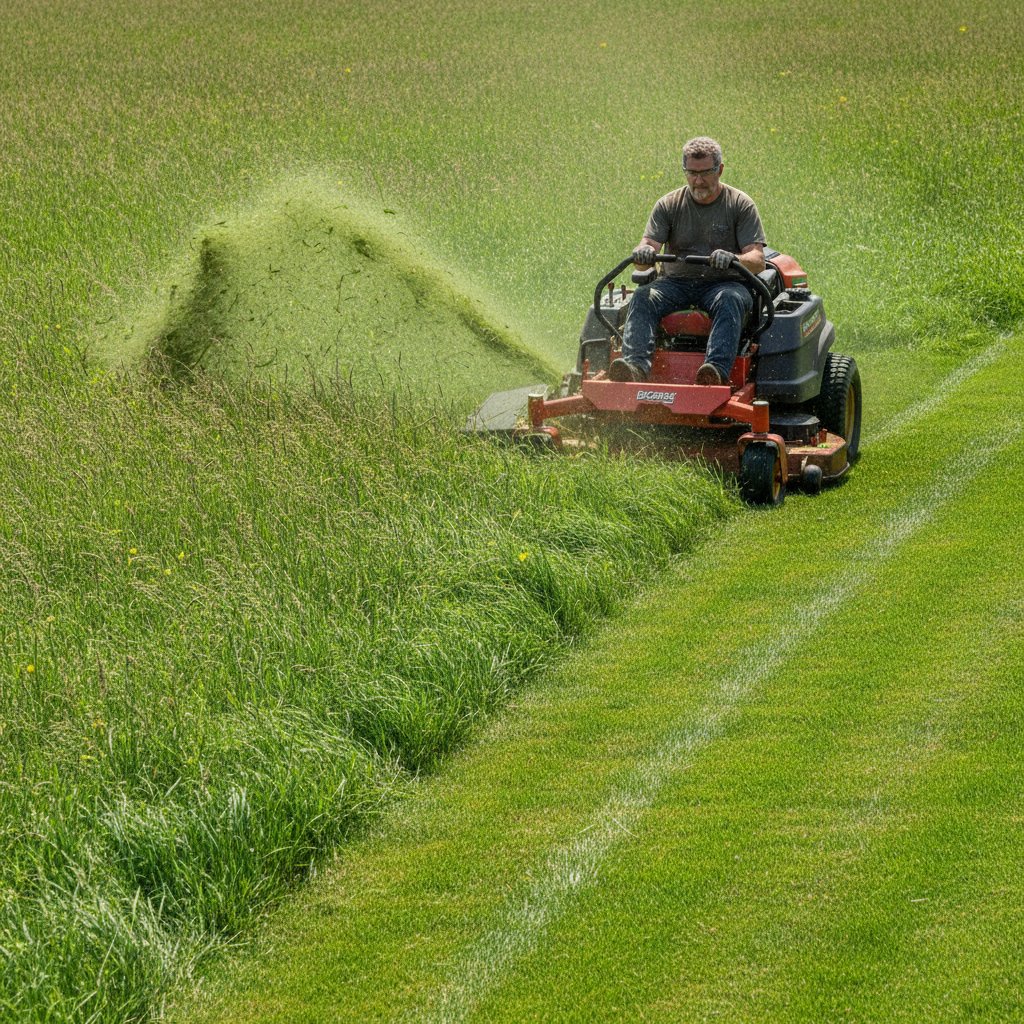
Your Perfect Lawn Turned Patchy in Three Weeks. Here's Why.
Picture this: You finally tackled that overgrown lawn. Spent a Saturday afternoon getting it pristine. Two weeks later, it looks like a patchwork quilt designed by someone who hates you. Brown spots here, scalped sections there, and weeds already staging a comeback tour.
Sound familiar?
Lawn mowing projects crash and burn at an alarming rate. Not because grass is particularly complicated, but because most people treat it like a one-and-done chore instead of what it actually is: a living system that responds to how you treat it.
The Three Killers Nobody Talks About
Most lawn care advice focuses on equipment. Get the right mower, they say. Sharpen your blades, they insist. Sure, that matters. But here's what actually tanks most projects:
The Height Massacre
Homeowners scalp their grass thinking shorter means less frequent mowing. Wrong. Dead wrong. When you cut more than one-third of the grass blade in a single session, you stress the plant into survival mode. It stops developing deep roots and starts throwing all its energy into just not dying.
I've seen lawns cut at 1.5 inches in full summer heat. They looked like disaster zones within 72 hours. The sweet spot for most cool-season grasses? Between 3 and 3.5 inches. Warm-season varieties can go slightly shorter at 2 to 2.5 inches, but that's still higher than most people think.
The Consistency Problem
Life gets busy. You skip a week. Then it rains for five days straight. Suddenly your grass is 8 inches tall and you're back to the scalping problem. Inconsistent cutting creates inconsistent growth patterns, which creates weak spots where weeds move in like opportunistic landlords.
The Timing Trap
Mowing at noon on a 90-degree day? You're basically giving your lawn a haircut while it's already dehydrated and stressed. The cut tips lose moisture faster than they can recover. Add in dull blades that tear instead of cut, and you've created entry points for disease.
Warning Signs Your Project Is Circling the Drain
You'll know things are going sideways when:
- Grass tips turn brown or white 24-48 hours after mowing (dull blades or heat stress)
- Bare patches appear in high-traffic areas within two weeks (cutting too short)
- Clover and dandelions spread faster than your neighbor's gossip (weak grass from poor practices)
- You're mowing more than twice a week just to keep up (wrong height setting)
The Fix: A System That Actually Works
Week One: Reset Your Expectations
Measure your current grass height with a ruler. Yes, actually measure it. Set your mower deck to remove only one-third. If your grass is 4.5 inches, cut to 3 inches. Not shorter. This might mean mowing twice in the first week to get down to your target height.
Week Two: Establish Your Rhythm
Mark your calendar for the same day each week. Early morning or early evening only—between 6-8 AM or after 6 PM when temperatures drop. Grass is turgid (full of water) during these times, which means cleaner cuts and less stress.
Check your blade sharpness by cutting a single blade of grass. It should slice clean, not tear or bend. A sharp blade needs replacement or sharpening every 20-25 hours of use. For most homeowners, that's twice per season.
Week Three: Pattern and Direction
Alternate your mowing direction every single time. North-south one week, east-west the next. This prevents grass from leaning permanently in one direction and compacting soil in wheel tracks. The striped pattern is a nice bonus, but the real benefit is healthier root development.
Ongoing: The Clipping Decision
Leave clippings on the lawn unless they're forming clumps. Those clippings return about 25% of your lawn's nitrogen needs back to the soil. Bagging everything means you'll need more fertilizer and create more waste. Only bag when cutting overgrown grass or dealing with disease.
Prevention: Building Failure-Proof Habits
Set phone reminders for blade checks on the first of each month. Takes 90 seconds. Saves you from weeks of ragged cuts.
Keep a simple log—just dates and heights. When problems emerge, you'll have data instead of guesswork. I use a note in my phone. Nothing fancy.
Adjust height seasonally. Raise your deck a half-inch during peak summer heat and drought. Drop it slightly in spring and fall when grass grows more aggressively. These micro-adjustments prevent the stress that creates failure points.
Your lawn isn't failing because you lack some secret knowledge. It's failing because the standard advice ignores the reality of how grass actually grows. Cut high, cut often, cut sharp. Everything else is just details.