The real cost of Стрижка газонов: hidden expenses revealed
The $500 Lawn That Actually Cost $2,300
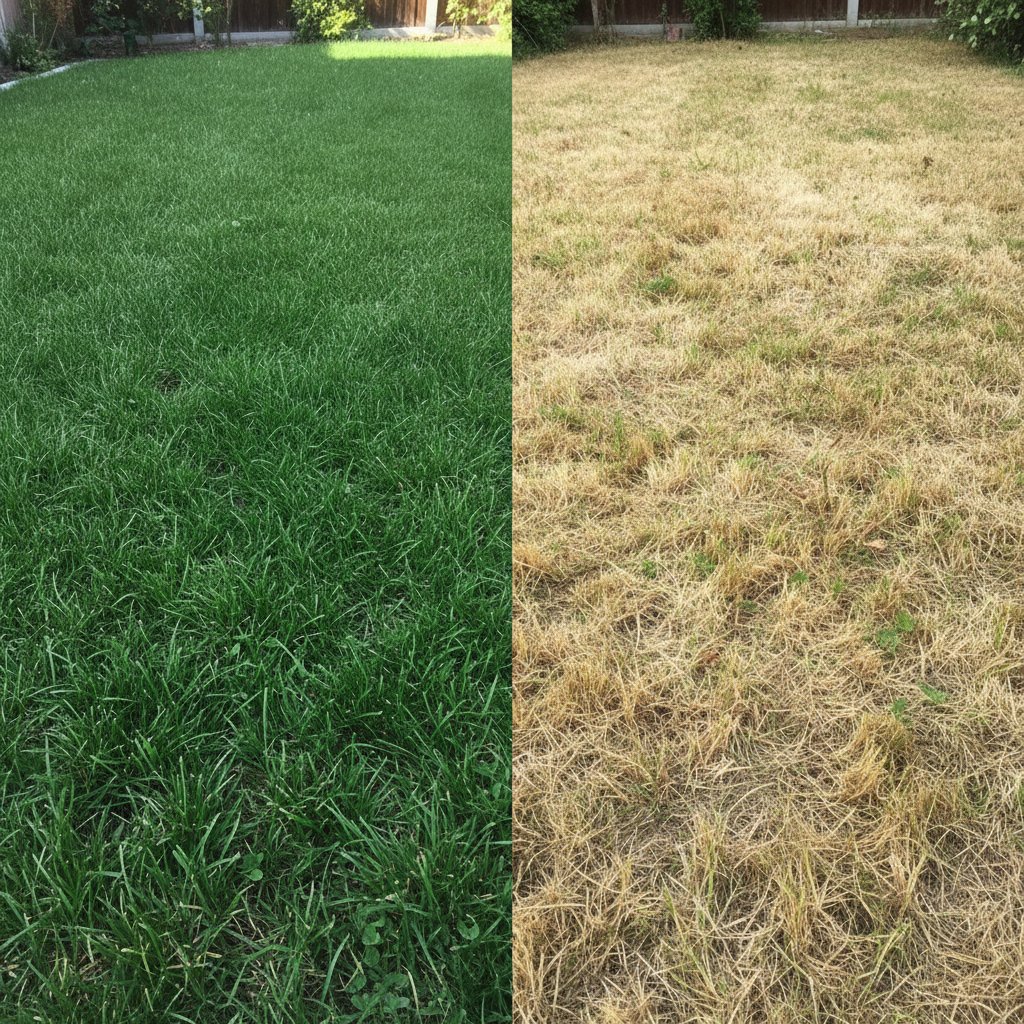
My neighbor Tom thought he was being clever. Last spring, he hired a lawn care service advertising "$39 per cut" and figured he'd spend maybe $500 for the season. By October, he'd shelled out $2,347. The kicker? His lawn looked worse than when he started.
Tom's story isn't unique. Lawn mowing seems straightforward—guy shows up, cuts grass, leaves. But the real cost of keeping your lawn pristine involves a tangled web of hidden expenses that most homeowners only discover after they've already committed.
Why That Low Quote Never Tells the Whole Story
Those eye-catching advertisements for cheap lawn maintenance are designed to get you in the door. What they don't mention is that basic mowing represents maybe 40% of what your lawn actually needs.
Here's what happened to Tom: His initial quote covered cutting only. But his service provider "discovered" his mower blades needed sharpening after every third visit (extra $25). Then came aeration recommendations ($175), fertilization treatments ($85 per application), weed control ($120 quarterly), and edging along his extensive driveway ($40 per visit).
Each addition seemed reasonable in isolation. Who argues with sharper blades or healthier grass?
The Equipment Depreciation Nobody Mentions
If you're handling lawn care yourself, congratulations—you're now in the equipment maintenance business. A decent riding mower runs $2,500 to $4,000. That's just the entry fee.
Factor in annual maintenance: oil changes, blade sharpening, belt replacements, spark plugs, air filters. You're looking at $200-350 yearly. Most homeowners replace their mowers every 7-10 years, meaning you're spending roughly $450-600 annually when you account for depreciation plus upkeep.
And that's assuming nothing breaks. A transmission repair? That's $800 right there.
The Time Tax That Eats Your Weekends
Let's talk about something lawn care companies never quantify: your time.
The average homeowner spends 73 hours per year on lawn maintenance, according to a 2022 survey by the National Association of Landscape Professionals. That's nearly two full work weeks. If you value your time at even a modest $30 per hour, you're looking at $2,190 in opportunity cost annually.
But it's worse than that. Those 73 hours don't happen when it's convenient. They happen on Saturday mornings when you'd rather be at your kid's soccer game. They happen on Sunday afternoons during the three-hour window when the grass is dry but it's not too hot.
Water Costs That Creep Up Silently
A 1,000 square foot lawn needs roughly 625 gallons of water per week during growing season. Multiply that across a typical 26-week season, and you're using 16,250 gallons annually just for your grass.
Depending on where you live, that's an extra $60-180 on your water bill. In drought-prone areas with tiered pricing? Some homeowners report lawn irrigation adding $400+ annually.
The Seasonal Surprise Charges
Spring brings dethatching recommendations. Summer means extra watering and possible grub treatments. Fall requires overseeding and leaf removal. Winter? Well, in some regions, that's snow removal territory.
Each season delivers its own special invoice. A lawn care professional I spoke with—who asked to remain anonymous—admitted their company budgets for 3-4 "seasonal upsells" per customer annually. "The base mowing service barely breaks even," he told me. "The real money is in treatments and seasonal services."
Those upsells average $150-300 each. Do the math: that's another $450-1,200 per year on top of regular mowing.
The Pesticide and Fertilizer Maze
Walk into any garden center and you'll face dozens of lawn treatment options. Most homeowners grab whatever's on sale, creating a expensive trial-and-error experiment.
Professional-grade treatments cost 40-60% more than consumer products but require proper application equipment (another $100-200 investment). Use too little and you've wasted money on ineffective treatment. Use too much and you'll damage your lawn, requiring expensive restoration.
The average homeowner spends $250-400 annually on fertilizers and treatments. Professionals spend similar amounts per property but achieve better results through bulk purchasing and precise application.
What Industry Insiders Won't Tell You
After talking with lawn care business owners, equipment dealers, and longtime homeowners, a pattern emerged: the actual all-in cost of lawn maintenance runs 2.5 to 3 times higher than initial estimates.
One 20-year industry veteran put it bluntly: "If someone tells you they'll maintain your lawn for $1,200 a year, budget $3,000. If you're doing it yourself and think it'll cost $800, prepare for $2,000. That's just reality."
Key Takeaways
- Budget 2.5-3x your initial estimate for realistic annual lawn care costs
- DIY costs average $2,000-2,500 annually when including equipment depreciation, supplies, and time value
- Professional services typically run $2,500-4,000 yearly for a standard suburban lot with all treatments
- Seasonal upsells add $450-1,200 to basic mowing contracts
- Water costs alone can exceed $400 annually in some regions
The grass isn't always greener—sometimes it's just more expensive than anyone wants to admit. Whether you hire out or DIY, understanding these hidden costs upfront prevents the sticker shock that turned my neighbor Tom into the guy who now rocks a clover lawn and hasn't touched a mower in two years.
Smart money says: calculate the real numbers, decide what your time and weekends are actually worth, and choose accordingly. Your wallet will thank you.