Стрижка газонов: common mistakes that cost you money
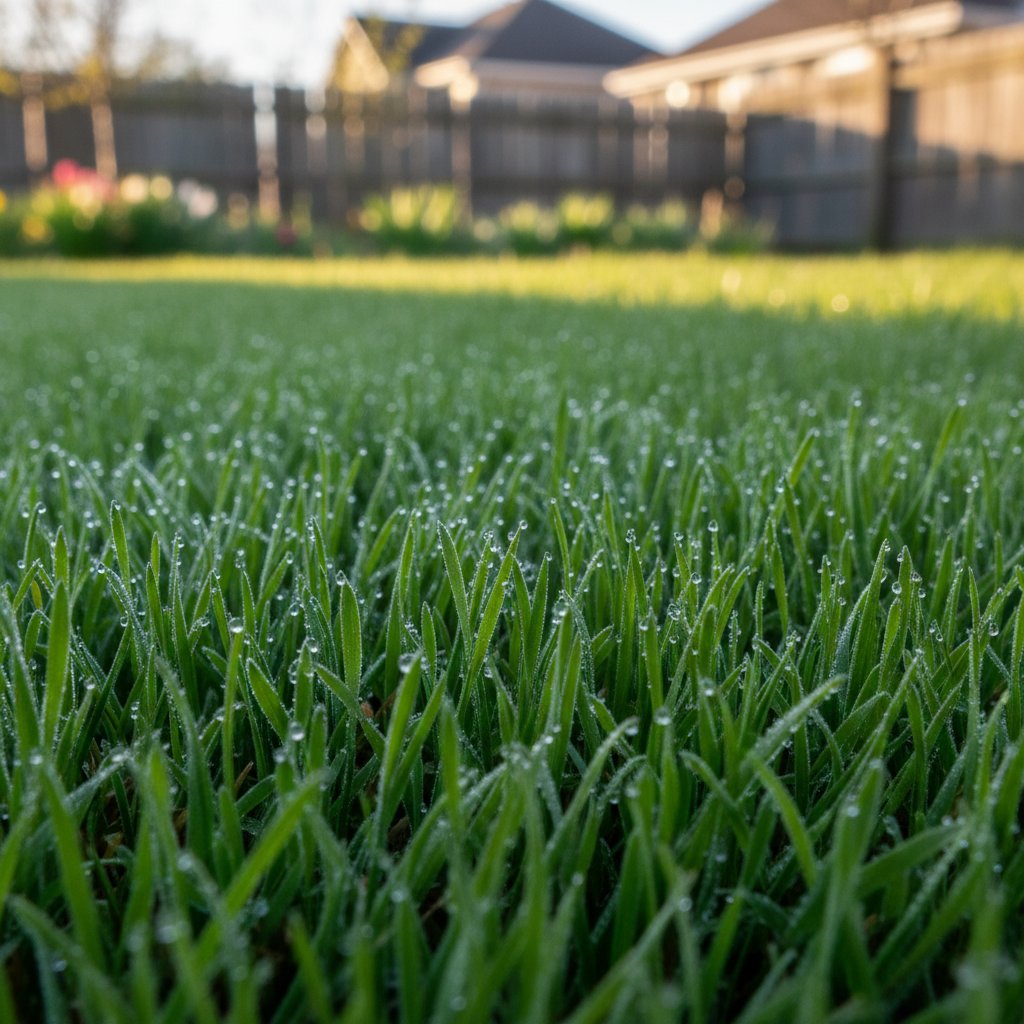
The Expensive Way vs. The Smart Way: Lawn Mowing Mistakes That Drain Your Wallet
Your lawn shouldn't be a money pit, yet most homeowners manage to turn basic grass cutting into an expensive hobby without even realizing it. I've watched neighbors burn through $800+ annually on lawn care problems that could've been avoided with a few simple adjustments. The difference between costly mistakes and smart maintenance isn't complicated—it's just that nobody talks about it honestly.
Let's break down the two approaches people take to lawn maintenance, and why one leaves you constantly reaching for your wallet while the other actually saves you money over time.
The "Wing It" Approach: Why Going Cheap Gets Expensive
Most people start here. Buy a mower, cut when the grass looks tall, and hope for the best. Seems logical, right?
The Hidden Costs:
- Cutting too short (scalping): Trimming below 2.5 inches stresses grass and invites weeds. You'll spend $150-300 annually on weed control products that wouldn't be necessary otherwise.
- Dull blades: They tear instead of cut, creating brown tips that make your lawn look diseased. People often respond by overwatering or over-fertilizing, adding another $200+ to yearly costs.
- Mowing wet grass: This clumps and suffocates your lawn, leading to fungal issues. Fungicide treatments? That's $75-150 per application, and you'll need multiple rounds.
- Ignoring the one-third rule: Cutting more than one-third of grass height at once shocks the plant. Recovery requires extra watering and fertilizer—roughly 40% more than proper maintenance.
- Wrong mowing pattern: Using the same direction creates ruts and compaction. Fixing compacted soil with aeration costs $100-200 per treatment.
What It Actually Costs:
A homeowner following this approach typically spends $600-1,200 annually fixing problems they created. That's not counting the cost of replacing dead grass sections or dealing with pest infestations that target stressed lawns.
Time Investment:
Paradoxically, the "cheap" approach takes more time. You're mowing more frequently (because you cut too short), dealing with clumping, and spending weekends troubleshooting brown patches.
The Strategic Approach: Spending Smart to Save Big
This method requires upfront thinking but cuts your annual costs by 60-70%. You're working with grass biology instead of against it.
The Money-Saving Tactics:
- Blade sharpening schedule: Sharpen every 20-25 hours of use (roughly 3-4 times per season). Costs $10-15 per sharpening but eliminates the need for most corrective treatments.
- Height adjustment: Keep grass at 3-3.5 inches. Taller grass shades soil, reducing water needs by 30% and preventing weed germination naturally.
- Timing matters: Mow during dry conditions in late afternoon. Grass recovers faster, and you avoid disease issues that cost hundreds to treat.
- Grasscycling: Leave clippings on the lawn (when cut properly). This returns $50-75 worth of nitrogen fertilizer to your soil annually.
- Pattern rotation: Change direction each mow. Prevents compaction issues that would cost $150+ to fix professionally.
What It Actually Costs:
Initial investment in a quality mulching mower: $300-500. Annual maintenance: $200-400 including blade sharpening, oil changes, and minimal corrective products. Total first-year cost: $500-900. Subsequent years: $200-400.
Time Investment:
Actually less time. Proper technique means mowing every 7-10 days instead of every 4-5 days, and you're not spending weekends applying treatments or reseeding dead patches.
Head-to-Head Comparison
| Factor | "Wing It" Approach | Strategic Approach |
|---|---|---|
| First Year Cost | $600-1,200 | $500-900 |
| Annual Ongoing Cost | $600-1,200 | $200-400 |
| Mowing Frequency | Every 4-5 days | Every 7-10 days |
| Weed Control Spending | $150-300/year | $0-50/year |
| Disease Treatment | $150-450/year | $0-75/year |
| Water Usage Increase | 30-40% higher | Baseline |
| Equipment Lifespan | 3-5 years | 7-10 years |
The Real Math Nobody Shows You
Over five years, the "wing it" approach costs $3,000-6,000. The strategic approach costs $1,300-2,500 over the same period. That's a difference of $1,700-3,500—enough for a nice vacation or significant home improvement.
The bigger surprise? Your lawn actually looks better with the strategic approach. Thicker grass, fewer bare spots, and that deep green color that makes neighbors ask what your secret is.
Stop throwing money at lawn problems you're creating. Sharp blades, proper height, and smart timing aren't complicated—they're just different from what most people do. Your wallet will thank you, and your Saturday afternoons will suddenly free up for things you actually enjoy.